
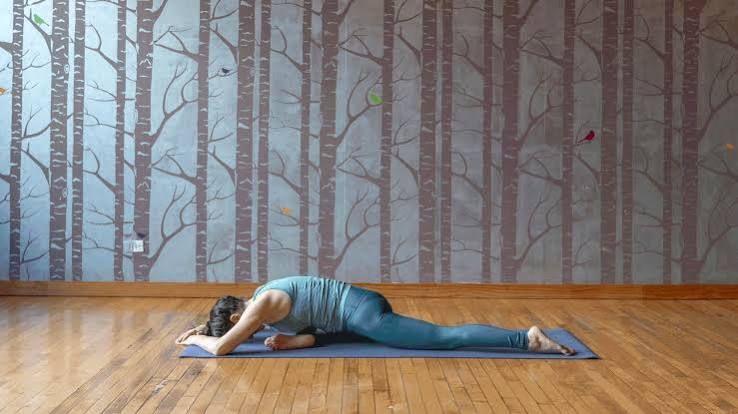
After a busy day filled with responsibilities, screen time, and daily distractions, finding time to unwind can make a meaningful difference to your nighttime routine. Evening yoga offers a gentle way to slow down, release everyday tension, and prepare your mind and body for rest. By combining comfortable movements with mindful breathing, this practice encourages a calmer transition from daytime activities to bedtime. Exploring https://yoga365.online/ can help you create a relaxing ritual that fits naturally into your evening schedule.
How Evening Yoga Encourages Relaxation
Evening yoga focuses on gentle movement, steady breathing, and awareness of physical sensations. Unlike more vigorous exercise, a calming routine emphasizes comfort and gradual transitions between poses. This approach can help you step away from daily pressures and pay attention to how your body feels after a long day.
You do not need an elaborate setup or an extended session to begin. A quiet corner, comfortable clothing, and a yoga mat are often enough. Keeping the environment peaceful by dimming the lights and putting away electronic devices may also help create a clear distinction between active daytime hours and nighttime relaxation.
Gentle Evening Yoga Poses Before Bedtime
Simple yoga poses can help ease the stiffness that sometimes develops after sitting at a desk or spending hours on your feet. Child’s Pose encourages a supported resting position, while Cat-Cow movements gently mobilize the spine. A comfortable seated forward fold may also provide an opportunity to stretch without rushing.
Legs-Up-the-Wall Pose is another option for people who find it comfortable. Resting with the legs supported can create a quiet moment to pause and breathe. Choose variations that suit your mobility, and avoid forcing your body into unfamiliar positions.
The purpose of evening yoga is not to achieve perfect alignment or push physical limits. Move slowly, use cushions or folded blankets for support when needed, and stop if a pose causes pain or dizziness.
Using Mindful Breathing in Evening Yoga
Breathing is an important part of a relaxing yoga ritual. As you move through each pose, notice the natural rhythm of your inhalation and exhalation. Allow your breathing to remain comfortable rather than trying to force unusually deep or prolonged breaths.
You can also spend a few quiet minutes sitting or lying down after your movements. Gently return your attention to your breathing whenever thoughts about unfinished tasks appear. This simple practice creates space to acknowledge those thoughts without immediately acting on them.
For additional guidance, explore mindful breathing before bedtime and discover ways to make breathing awareness part of your nighttime routine.
Creating a Peaceful Nighttime Routine
A sustainable routine does not need to take up much time. Begin with five to ten minutes of gentle stretching and breathing, then adjust the duration according to your schedule and comfort. Practicing at a similar time each evening may help the routine become a familiar part of your day.
Consider pairing yoga with other calming habits, such as lowering the lights, reading a book, or keeping your phone away from your sleeping area. Avoid turning the routine into another demanding task. Some evenings may allow a longer practice, while others may call for only a few comfortable stretches and several quiet moments before bed.