
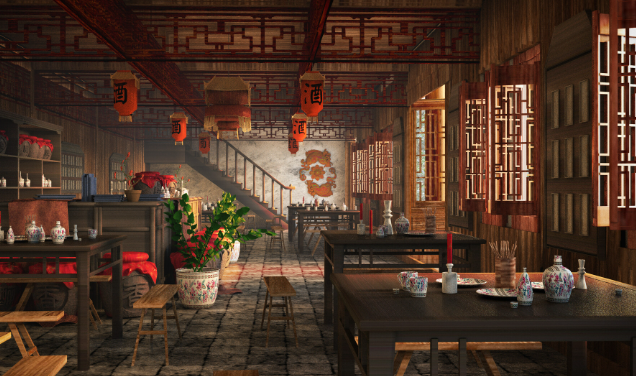
Chinese restaurant dining continues to evolve as chefs bring traditional culinary foundations into contemporary Asian food culture. Modern menus can preserve familiar techniques while introducing fresh ingredients, creative presentations, and unexpected combinations. This approach allows diners to experience recognizable Chinese newhongkongchineserestaurant.com flavors through a different lens without losing the character that makes the cuisine distinctive. A contemporary menu might pair classic roast meats with vibrant vegetables, present handmade noodles with refined sauces, or reinterpret dumplings with fillings inspired by broader Asian flavors. These changes reflect how food culture develops through exchange, experimentation, and changing dining habits. Modern Asian influences can also appear through beverage choices, plating styles, shared dining formats, and lighter approaches to seasoning. For curious diners, this creates an opportunity to explore Chinese cuisine beyond traditional expectations while still appreciating the techniques and ingredients that form its foundation.
Traditional Techniques Meet Modern Ideas
Traditional cooking methods remain important even when chefs introduce contemporary concepts. Steaming, stir-frying, roasting, braising, and slow cooking continue to shape the texture and aroma of many dishes. Modern chefs can build upon these techniques by adjusting portion sizes, introducing different ingredients, or presenting dishes in unexpected ways. A familiar braised protein may receive a lighter sauce, while stir-fried vegetables can incorporate ingredients associated with other Asian cuisines. The technique provides continuity while the surrounding details create a fresh experience.
Menus Reflect Broader Asian Influences
A modern Chinese restaurant may draw inspiration from neighboring culinary traditions without abandoning its Chinese identity. Ingredients such as miso, yuzu, coconut, kimchi, curry leaves, or Southeast Asian herbs can appear alongside soy sauce, ginger, sesame, scallions, and fermented bean products. These combinations can create interesting contrasts between familiar and unfamiliar flavors. The goal does not always involve dramatic fusion. Sometimes a subtle ingredient can shift the character of a traditional preparation while allowing its original foundation to remain recognizable.
Dumplings Invite Creative Fillings
Dumplings provide plenty of room for modern interpretation because their basic format can accommodate numerous fillings. Traditional pork, shrimp, and vegetable combinations remain popular, while contemporary menus may experiment with mushrooms, seafood blends, herbs, or other Asian-inspired ingredients. Dipping sauces can also change the experience through citrus, chili, sesame, vinegar, or aromatic oils. The wrapper provides a familiar element while the filling introduces discovery. This makes dumplings particularly useful for diners who want to explore modern approaches without moving too far from classic Chinese cuisine.
Noodles Take on New Character
Noodles can easily adapt to contemporary Asian dining because their neutral foundation works with many sauces and toppings. A traditional wheat noodle can meet roasted vegetables, modern spice blends, seafood, or slow-cooked meats. Chefs may also emphasize handmade textures or use lighter broths to create a more refined dish. Cold noodle preparations can introduce refreshing herbs and tangy sauces, while stir-fried versions can develop deeper wok aromas. These variations demonstrate how a familiar staple can remain culturally recognizable while responding to modern tastes.
Roast Meats Gain Contemporary Balance
Roasted meats such as duck and char siu continue to hold an important place on Chinese restaurant menus, but modern presentations can give them a different sense of balance. Rich meat may appear alongside crisp greens, pickled vegetables, citrus-based sauces, or delicate herbs. These additions provide acidity and freshness that prevent the dish from feeling too heavy. Smaller portions can also allow diners to combine roasted meats with several other dishes. The result preserves the appeal of traditional roasting while creating a lighter and more varied dining experience.
Vegetables Receive More Attention
Modern Asian dining often gives vegetables a stronger position on the table. Chinese cooking already offers many ways to prepare leafy greens, mushrooms, eggplant, bok choy, and other produce. Contemporary menus can highlight these ingredients through refined sauces, grilling, roasting, or carefully controlled wok cooking. A vegetable dish does not need to serve as a secondary side. It can become one of the main attractions through layered seasoning and contrasting textures. This approach also makes shared dining more flexible for groups with different preferences.
Seafood Connects Tradition and Innovation
Seafood provides another opportunity to combine established Chinese techniques with modern Asian flavors. Steamed fish can retain the simplicity of ginger and scallions while gaining freshness from citrus or aromatic herbs. Shrimp can meet chili, garlic, sesame, or other contemporary seasonings. Lightly grilled seafood can offer smoky notes alongside bright sauces. Because seafood often carries delicate natural flavors, chefs can introduce new ingredients without completely overwhelming the dish. This balance allows diners to recognize the original ingredient while discovering a different flavor direction.
Tofu Becomes a Creative Canvas
Tofu has long played an important role in Chinese cuisine, and its adaptable texture makes it especially suitable for modern menus. Silken tofu can support delicate sauces and fresh herbs, while firm tofu can absorb stronger marinades after frying or grilling. Contemporary preparations may introduce citrus, chili, sesame, fermented ingredients, or aromatic oils. The mild nature of tofu allows these additions to stand out. Diners can therefore explore new flavor combinations while experiencing an ingredient deeply connected to traditional Chinese cooking.
Sauces Shape the Experience
Sauces often provide the clearest bridge between tradition and modern flavor preferences. Soy sauce, black vinegar, sesame, chili oil, oyster-style sauces, and fermented bean pastes can establish familiar foundations. Chefs can then introduce citrus, herbs, fruit, or other Asian ingredients to create additional layers. A carefully balanced sauce can make a classic ingredient feel contemporary without changing its essential identity. Diners can also notice how acidity, sweetness, saltiness, and spice interact within a single preparation.
Fermented Flavors Add Depth
Fermentation remains a powerful element in Chinese cuisine and fits naturally into modern Asian cooking. Fermented bean pastes, black beans, preserved vegetables, and other ingredients contribute salty, earthy, tangy, and savory qualities. Contemporary chefs can use these flavors more selectively, pairing them with fresh vegetables, seafood, or lighter proteins. This approach creates depth without making the dish excessively heavy. Fermented ingredients also connect modern menus with older food traditions, demonstrating how traditional pantry staples can remain relevant in contemporary dining.
Spice Can Become More Layered
Modern Asian menus can approach spice with greater variation than simply increasing heat. Chili oil can provide fragrance and richness, fresh chilies can contribute brightness, and dried chilies can create a deeper roasted character. Sichuan peppercorns add a distinctive tingling quality that can interact with citrus, garlic, or sesame. By combining several forms of spice, chefs can create complexity while maintaining balance. Diners can therefore experience heat as one part of a larger flavor profile rather than the sole focus of a dish.
Texture Creates Modern Contrast
Contemporary presentation often emphasizes textural contrast. Silky tofu can appear beside crispy toppings, tender meat can meet crunchy vegetables, and chewy noodles can carry smooth sauces. These combinations make familiar ingredients feel more dynamic. Chinese cooking already values texture, so modern interpretations can build naturally upon that principle. Frying, steaming, roasting, grilling, and wok cooking each create distinct sensations. Bringing several textures together allows diners to experience the same ingredient in a more layered way.
Lighter Seasoning Can Feel Fresh
Modern diners sometimes prefer food that delivers strong flavor without excessive heaviness. Chinese cooking can accommodate this preference through careful seasoning and precise preparation. Fresh herbs, citrus, ginger, scallions, vinegar, and lightly seasoned broths can create vibrant dishes without relying entirely on rich sauces. This does not mean removing traditional flavors. Instead, chefs can highlight individual ingredients and use seasoning to support rather than dominate them. The result can feel cleaner while retaining recognizable Chinese character.
Shared Dining Encourages Discovery
Sharing remains one of the best ways to experience a modern Chinese restaurant menu. Several dishes can arrive at the center of the table, allowing diners to compare traditional favorites with contemporary creations. A group might order classic dumplings alongside a modern vegetable dish, followed by roasted meat and an innovative noodle preparation. Smaller portions make experimentation easier and encourage guests to discuss which combinations they prefer. The communal format also reflects the social nature of Chinese dining while giving contemporary menus room to showcase variety.
Presentation Changes the Atmosphere
Modern presentation can influence how diners perceive familiar foods. Clean plating, carefully arranged ingredients, smaller portions, and contrasting colors can give traditional dishes a more contemporary appearance. Presentation should still support the food rather than distract from it. A beautifully arranged plate of vegetables can emphasize freshness, while neatly sliced roasted meat can highlight texture and craftsmanship. These visual details contribute to the overall restaurant experience and can make familiar dishes feel more current.
Tea Can Follow Contemporary Pairings
Tea remains a natural companion to Chinese food, even when the menu takes a modern direction. Jasmine tea can complement delicate seafood and vegetables, while oolong can stand alongside richer roasted dishes. Green tea provides freshness between stronger flavors, and darker teas can accompany deeply seasoned foods. Contemporary restaurants may also experiment with chilled tea, botanical ingredients, or different serving styles. These variations preserve tea’s connection to Chinese dining while adapting its role to modern restaurant culture.
Cocktails and Nonalcoholic Drinks Expand Choices
Modern Asian dining can broaden beverage options beyond traditional tea. Restaurants may create nonalcoholic drinks featuring citrus, ginger, herbs, tea, or tropical fruits that complement Chinese flavors. Where appropriate, contemporary cocktails can also incorporate Asian ingredients and aromatic elements. These beverages can provide acidity, sweetness, bitterness, or herbal notes that interact with savory dishes. Thoughtful pairings can make drinks feel like an integrated part of the meal rather than an afterthought.
Regional Identity Still Matters
Modernization does not require removing regional identity. Sichuan, Cantonese, Hunan, Fujian, Yunnan, and northern Chinese cuisines each offer different ingredients, techniques, and seasoning traditions. Contemporary chefs can reinterpret these foundations while preserving their essential characteristics. A Sichuan-inspired dish can maintain its relationship with chili and Sichuan peppercorns while adopting a new presentation. A Cantonese preparation can remain focused on ingredient quality while using a more contemporary plating style. Regional identity gives modern menus a meaningful foundation.
Asian Ingredients Create New Connections
Modern Chinese restaurant menus can explore relationships between Chinese ingredients and flavors from across Asia. Ginger may meet lemongrass, sesame may accompany citrus, or chili may appear with tropical fruit. These combinations can produce new taste profiles while retaining familiar elements. The most successful pairings usually maintain balance rather than allowing one culinary tradition to completely overwhelm another. Diners can recognize where a dish begins while discovering where the chef chooses to take it.
Familiar Favorites Remain Important
Modern menus work best when they provide points of familiarity. Diners may feel more comfortable exploring a new dish after ordering a trusted favorite such as fried rice, dumplings, noodles, or roast duck. Familiar foods create an anchor while contemporary preparations introduce novelty. This balance makes experimentation approachable for groups with different levels of culinary curiosity. A restaurant does not need to reinvent every dish to feel modern. Sometimes one unexpected element can provide enough contrast.
Dining Becomes More Exploratory
A modern Asian perspective encourages diners to approach Chinese cuisine with curiosity rather than fixed expectations. Traditional ingredients can appear in unfamiliar combinations, while established techniques can support lighter or more creative preparations. Guests may discover new preferences through a modern sauce, an unexpected vegetable pairing, or a regional dish presented in a contemporary style. The experience becomes less about choosing between traditional and modern food and more about understanding how the two can interact.
Group Menus Benefit From Contrast
A well-planned group meal can showcase both classic and contemporary Chinese flavors. Diners might begin with traditional dumplings, move toward modern vegetable preparations, then explore seafood, noodles, and roasted meats. Each dish can offer a different level of richness, acidity, spice, and texture. This contrast keeps the table interesting while allowing guests to compare different approaches to Chinese cooking. Sharing also makes it easier to discover which modern interpretations deserve a return visit.
Modern Dining Keeps Evolving
Chinese restaurant dining with a modern Asian perspective reflects a cuisine that continues to adapt without abandoning its foundations. Traditional cooking techniques remain valuable, while contemporary ingredients, presentation styles, lighter seasoning, and broader Asian influences create new possibilities. Dumplings can receive unexpected fillings, noodles can explore new sauces, vegetables can become central attractions, and seafood can connect classic techniques with modern flavor combinations. Shared dining provides the ideal setting for this exploration because guests can compare familiar favorites with creative interpretations across the same table. Regional identity remains important throughout the process, giving modern ideas a meaningful culinary foundation. The result is a dining experience where heritage and innovation can coexist naturally, allowing diners to recognize familiar flavors while discovering new ways to enjoy them.